
How Coastal Erosion Affects Surfing and Local Beach Communities
Coastal erosion is often discussed as an environmental issue, but for surfers and beach communities, it is also a daily-life issue. When sand disappears, shorelines shift, cliffs weaken, and beaches narrow, the effects are felt far beyond the waterline. Erosion can change how waves break, where people gather, how safe a beach feels, and how a coastal community protects its identity over time.
For surfers like Frank Chenault, the ocean is not a static place. Every tide, storm, and seasonal swell changes the coastline in some way. His early connection to the ocean, described in older posts about his competitive surfing background, reflects how deeply surfers depend on the shape, rhythm, and condition of coastal environments.
Erosion Changes the Shape of Surf Breaks
Surfing depends heavily on the shape of the ocean floor, sandbars, reefs, and shoreline. Even small changes in coastal structure can affect how waves form and break. When erosion removes sand from a beach, it can change the slope of the shoreline. That may cause waves to close out faster, break closer to shore, or lose the clean shape surfers rely on.
In some areas, shifting sandbars can temporarily improve surf conditions. In others, erosion can weaken a once-consistent break and make it less predictable. This is why surfers often notice subtle beach changes before casual visitors do. They pay attention to where waves peak, how water moves, and whether the shoreline feels different after storms.
Beach Safety Can Be Affected
Coastal erosion can also create safety concerns. A beach that once had a wide sandy area may become narrow, steep, or rocky. This can make it harder for families, swimmers, and surfers to enter and exit the water safely.
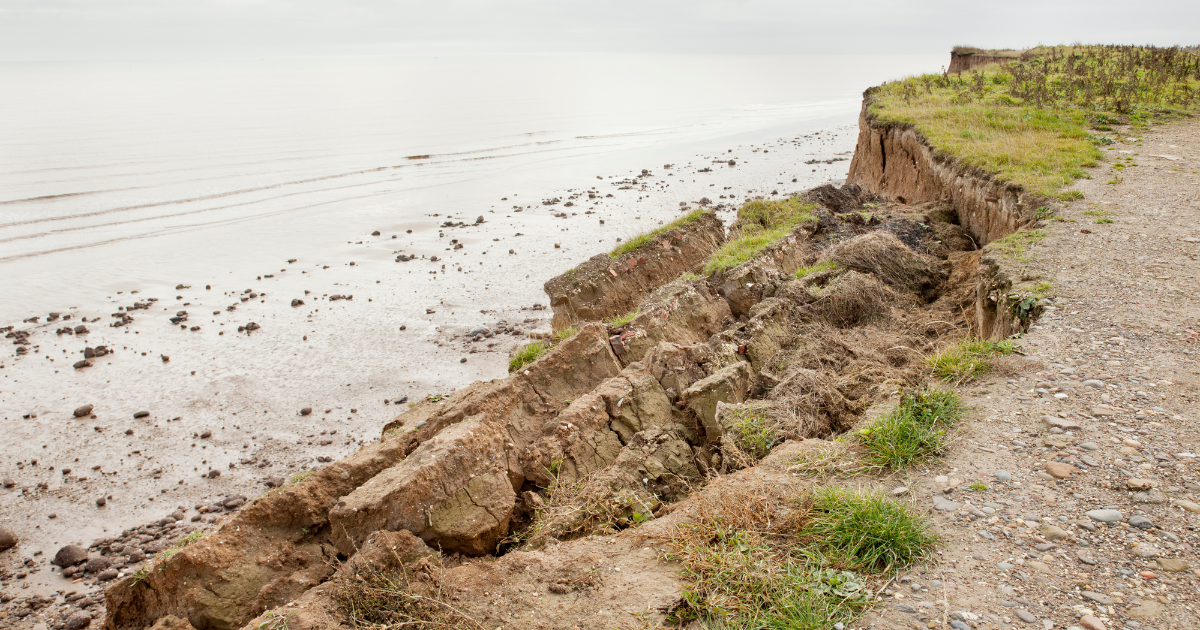
Erosion near cliffs or dunes can create unstable edges, especially after heavy rain or high surf. Exposed rocks, damaged walkways, and sudden drop-offs can turn familiar beach areas into places that require more caution. For local communities, this means beach safety is not only about lifeguards or water conditions. It is also about understanding how the physical beach is changing.
Local Access Points May Become More Vulnerable
Many beaches depend on stairways, parking areas, trails, and paths that connect people to the shoreline. When erosion moves closer to these access points, communities may face difficult decisions. Should a staircase be repaired, relocated, or closed? Should a parking area be reinforced or moved farther inland?
These decisions matter because access shapes how people experience the coast. Surfers need safe entry points. Residents need public pathways. Visitors need clear and protected routes to the beach. When erosion threatens these connections, the beach can feel less available even if the ocean is still there.
This matters especially in coastal communities where surfing is part of local culture. Older Frank Chenault blog content about his early relationship with the ocean and surfing shows how access to the shoreline can shape personal growth, discipline, and long-term connection to the water.
A Real-World Example of Shoreline Change
A simple way to understand coastal erosion is to imagine a familiar beach after a season of heavy surf. A stretch of sand that once gave surfers room to walk down, check the waves, and paddle out may become narrow and uneven. The slope of the beach may change, which can make waves break closer to shore or close out faster than they used to.
For the local community, the same erosion can affect everyday access. A beach staircase, trail, or parking area that once felt safely removed from the water may suddenly sit much closer to unstable sand or exposed rocks. In some cases, communities may need to repair, reinforce, relocate, or temporarily close these access points to keep people safe.
This kind of change shows why erosion matters to both surfers and residents. It is not only about losing sand. It can change the quality of a surf break, the safety of getting in and out of the water, and the way people use the beach in daily life.
Coastal Businesses Feel the Impact
Surf shops, restaurants, board rental companies, hotels, and local cafés often depend on steady beach activity. When erosion reduces usable beach space or makes an area feel less safe, foot traffic can decline. Fewer beachgoers may mean fewer customers for the small businesses that help define a coastal town’s character.
The issue is not only economic. Local businesses are part of the culture around a beach. They support surf communities, sponsor local events, employ residents, and create gathering places. When erosion affects the shoreline, it can indirectly affect the social life of the community as well.
Erosion Challenges a Community’s Sense of Place
Beaches often carry deep emotional meaning. People remember where they learned to surf, where they walked with family, where they watched sunsets, or where they spent summers growing up. When erosion changes those places, communities can feel a sense of loss.
This is especially true in surf communities, where specific breaks become part of local identity. A wave is more than a recreational feature. It can represent history, friendship, discipline, and shared experience. Frank Chenault’s story as a passionate surfer reflects how surfing can become more than a sport. It can become part of a person’s identity and connection to the coast.
Planning for the Future Matters
Coastal erosion cannot always be stopped completely, but communities can plan for it with more awareness. Beach monitoring, dune restoration, thoughtful development, and public education can all help reduce long-term damage. The goal is not to freeze the shoreline in place, but to make informed decisions that protect safety, access, and community value.
Surfers can also play an important role. Because they spend consistent time in the water, they often notice changes early. Their observations can contribute to local conversations about beach conditions, storm impacts, and access concerns.
Protecting More Than Sand
Coastal erosion is about more than losing sand. It affects waves, safety, access, businesses, and the emotional connection people have with the shoreline. For surfers and local beach communities, the coastline is both a natural environment and a shared home.
Understanding erosion helps communities see the beach as a living, changing place. With awareness and thoughtful planning, coastal towns can better protect the spaces that support recreation, local culture, and the lasting bond between people and the ocean.