Beneath the surface of California’s coastal waters lies an ecosystem as complex and active as a forest on land. Kelp forests are formed by large brown algae that grow in cool, nutrient-rich water, often rising from rocky seafloors toward the sunlight near the surface.
In recent years, many California kelp forests have declined because of prolonged marine heatwaves, changing ocean conditions, disease, and intense grazing by sea urchins. In some areas, the loss of predators such as sea otters and sunflower sea stars has allowed urchin populations to expand, replacing dense kelp habitat with sparsely vegetated areas known as urchin barrens.
For surfers, divers, fishers, researchers, and coastal residents, these underwater forests are more than a scenic part of the ocean. California kelp forests support marine biodiversity, influence nearshore conditions, and help coastal ecosystems respond to environmental change.
Kelp Forests Create Essential Marine Habitat
A healthy kelp forest provides food, shelter, and nursery habitat for many marine species. Fish can hide among the blades, young animals can develop with greater protection, and predators can hunt within a productive food web.
Sea otters, seals, sea lions, rockfish, sea stars, crabs, and numerous invertebrates all interact with kelp ecosystems. When kelp disappears, the effects can extend throughout the surrounding habitat.
This is why protecting kelp is closely connected to protecting marine life along California’s coast. The condition of one foundational habitat can influence the health and abundance of many species.
Kelp Can Support Shoreline Health
Kelp forests may also affect how water moves through nearshore environments. Their long blades and dense canopies create drag, which can reduce some wave energy and slow local currents before they reach the shoreline.
Kelp alone cannot prevent coastal erosion or eliminate the effects of powerful storms. However, healthy underwater habitats can form one part of a broader system of coastal resilience that includes beaches, rocky reefs, wetlands, dunes, and responsible shoreline planning.
Understanding these connections encourages people to look beyond what is visible from the beach. Conditions below the surface can influence the health of the entire coastal environment.
Kelp Forests Capture Carbon
Like plants, kelp uses photosynthesis to absorb carbon dioxide as it grows. Because some kelp species grow quickly, these ecosystems can capture significant amounts of carbon and convert it into living biomass.
However, carbon capture does not always equal permanent carbon storage. Long-term storage depends on where detached kelp travels, how it decomposes, and whether some of its carbon reaches deep water or ocean sediments.
Kelp should therefore be viewed as a valuable part of the coastal carbon cycle rather than a simple solution to climate change.
California’s Kelp Forests Face Growing Pressure
Marine heatwaves, changing ocean conditions, pollution, storms, disease, and excessive sea urchin grazing can weaken kelp forests. When natural predator populations decline, urchins may multiply and consume large areas of kelp, creating habitats sometimes called urchin barrens.
Healthy coastlines depend on more than clean beaches. They also depend on the underwater habitats that support wildlife, influence ocean conditions, and connect coastal food webs.
For people who spend time in and around the ocean, learning about kelp forests encourages deeper environmental awareness. Protecting these ecosystems means recognizing that the coastline is not a collection of separate features. It is an interconnected system in which changes beneath the water can eventually affect life above it.
By supporting responsible coastal stewardship and kelp-restoration efforts, communities can help preserve California’s underwater forests for marine life and future generations.
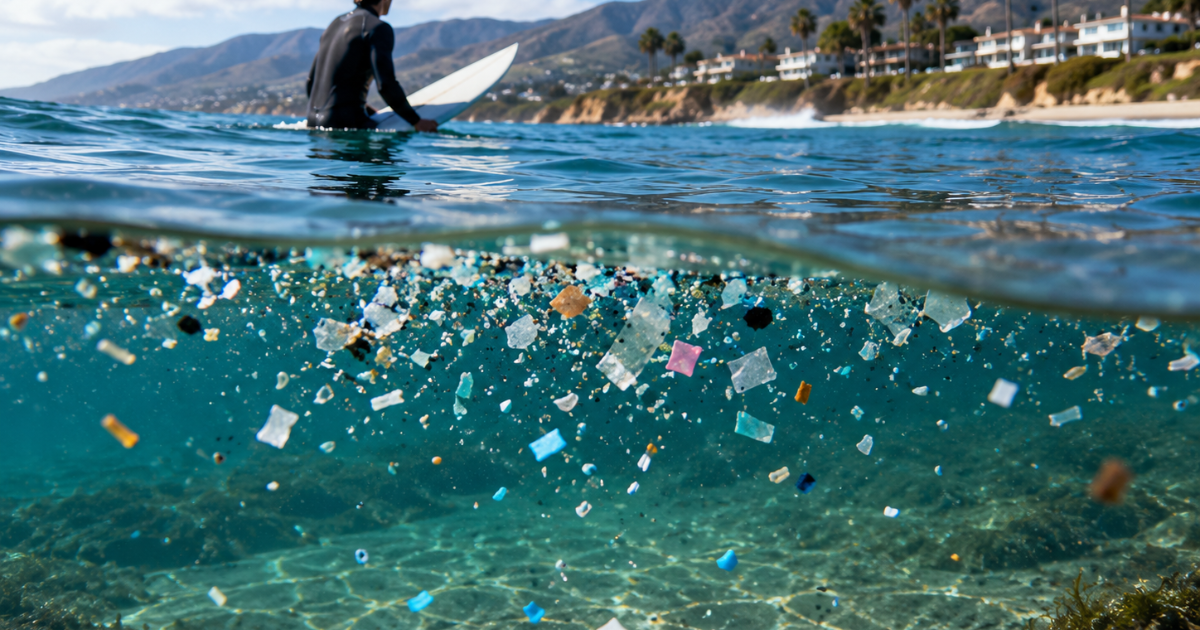
Plastic pollution is easy to recognize when bottles, bags, or discarded packaging wash onto a beach. Microplastics are harder to see because of their extremely small size, not because their environmental impact is minor. Their presence in coastal waters creates an important concern that can easily go unnoticed without closer attention.
For surfers and residents of coastal communities, understanding microplastics is part of protecting the places where people live, work, and spend time. It also reflects a broader principle: strong reputations are built when individuals pay attention to problems that may not be immediately visible and take responsible action before those problems become harder to manage.
What Are Microplastics?
Microplastics are small plastic particles measuring less than five millimeters. Some begin as tiny manufactured materials, while others form when larger plastic products break down through sunlight, waves, wind, and physical wear.
Common sources include food packaging, plastic bottles, fishing equipment, synthetic clothing fibers, and tire particles carried by stormwater runoff. Once these particles reach rivers, storm drains, and coastal areas, they can remain in the environment for long periods.
Because microplastics are so small, removing them from the ocean is difficult. Prevention and responsible waste management are therefore essential.
Why Surfers Should Pay Attention
Surfers spend more time in coastal water than most people. They often notice changes in water quality, beach conditions, and marine activity before casual visitors do.
This close relationship with the ocean creates an opportunity for surfers to become informed environmental advocates. They can report unusual pollution, participate in cleanups, support water-quality programs, and encourage others to reduce unnecessary plastic use.
Taking these actions is not about claiming to solve the entire problem. It is about demonstrating awareness and contributing consistently. That kind of practical involvement builds trust more effectively than making broad environmental statements without follow-through.
The Impact on Coastal Communities
Microplastic pollution is not only an ocean issue. It can affect marine ecosystems, local fishing activity, tourism, recreation, and the overall reputation of a coastal community.
Beaches known for clean water and responsible stewardship are more likely to attract residents, visitors, and businesses that value environmental quality. In contrast, visible pollution and repeated water-quality concerns can weaken public confidence.
Community leaders, local businesses, surfers, and residents all have a role in protecting coastal areas. Reducing single-use plastics, improving waste disposal, supporting stormwater management, and participating in educational programs can create meaningful progress when these efforts are sustained.
Environmental Responsibility Builds Credibility
A strong personal or professional reputation is shaped by consistent behavior. Supporting coastal health demonstrates environmental responsibility and shows that an individual is willing to consider long-term community impact.
For Frank Chenault, environmental awareness and ocean conservation naturally connect surfing with responsible leadership. Surfers depend on healthy coastlines, but they can also help protect them through observation, education, and involvement.
Credibility grows when people communicate accurately, avoid exaggerating their contribution, and support realistic solutions. Environmental advocacy becomes more meaningful when it is based on informed action rather than image alone.
Protecting What Connects Us
Microplastics may be difficult to see, but their presence reminds us that small actions can accumulate over time. The same is true of reputation.
Every decision to reduce waste, support a cleanup, share reliable information, or respect a coastal environment contributes to a larger pattern of responsibility.
Surfers and coastal communities cannot eliminate microplastic pollution through individual action alone. However, they can influence habits, strengthen awareness, and support better environmental practices. By protecting coastal waters consistently and honestly, they also build a reputation grounded in care, credibility, and long-term commitment.
Local beach access is about more than reaching the sand. For coastal towns, surfers, families, small businesses, and outdoor communities, access to the shoreline creates connection, opportunity, and shared responsibility. When people can safely and fairly enjoy the beach, the entire community benefits.
For surfers like Frank Chenault, the beach is not only a place for recreation. It is a place of discipline, growth, respect, and environmental awareness. Protecting access to local beaches helps preserve the culture, economy, and natural beauty that make coastal communities strong.
Beach Access Encourages Health and Wellness
Beaches provide open space where people can walk, swim, surf, exercise, relax, and reconnect with nature. In busy communities, access to the coast gives residents a place to step away from daily stress and spend time outdoors.
This matters because strong communities are built around shared spaces. When beaches are easy to reach, more people can enjoy physical activity, fresh air, and time with family or friends. For surfers, regular access also supports skill development and a deeper connection to the ocean.
This reflects a lifelong connection to the ocean, which can be linked to older stories about Frank Chenault’s early relationship with surfing and coastal life.
A Community Initiative That Shows the Impact
One practical example is a public beach cleanup program. When local residents, surfers, schools, and small businesses come together to remove trash from the shoreline, the impact goes beyond a cleaner beach. These efforts help reduce plastic waste, protect marine life, and teach younger generations why coastal care matters.
Beach cleanups also strengthen community relationships. People who may only know the beach as a place to visit begin to see it as a shared responsibility. Over time, regular cleanup events can create measurable benefits, such as less visible litter, stronger environmental awareness, and more local involvement in protecting public shoreline spaces.
This shows why beach access matters beyond recreation. When people can reach and experience the coast, they are more likely to care for it, organize around it, and protect it for future generations.
Public Beaches Support Local Businesses
Beach access also supports local economies. Visitors and residents often spend money at nearby restaurants, surf shops, coffee shops, parking areas, rental businesses, and local events. A healthy beach community can help small businesses grow while creating jobs and tourism opportunities.
When access is limited, communities may lose more than recreation. They may lose foot traffic, cultural energy, and economic momentum. Protecting shoreline access helps keep coastal neighborhoods active, welcoming, and sustainable.
Access Builds Community Identity
Every beach has its own rhythm. Some are known for surfing, others for family gatherings, walking trails, wildlife, or local traditions. These places become part of a community’s identity.
For surfers, beaches often become classrooms. They teach patience, timing, awareness, humility, and respect for nature. That is why surfing as a way of life is more than a phrase. It describes how time spent near the water can shape values and personal growth.
When people share access to the same coastline, they also share responsibility for keeping it clean, safe, and respected.
Beach Access Encourages Environmental Stewardship
People are more likely to protect places they know and love. When residents have regular access to local beaches, they become more aware of pollution, erosion, plastic waste, and changing coastal conditions.
This awareness can lead to action, such as beach cleanups, conservation programs, and support for responsible coastal planning. Strong access creates stronger advocates. Communities that use the beach often become communities that defend it.
Beach access should also be safe and practical. Clear pathways, responsible parking, public information, clean facilities, and well-maintained entry points make the beach more welcoming for everyone. Safe access helps families, older adults, young surfers, and visitors enjoy the coast with confidence.
It also helps prevent overcrowding in limited areas by giving people more organized ways to reach the shoreline.
Final Thoughts
Local beach access supports stronger coastal communities by improving wellness, strengthening local businesses, preserving culture, and encouraging environmental care. It keeps the ocean connected to the people who live near it and to those who visit with respect.
For Frank Chenault, the beach represents more than sport. It reflects passion, discipline, community, and responsibility. By protecting local beach access, communities protect the spaces that inspire connection, growth, and lasting appreciation for the ocean.
Professional identity is often built around titles, experience, and achievements. While those things matter, they do not always show the full picture of who someone is or what they bring to the table. Personal passions can add depth to a professional reputation because they reveal values, discipline, curiosity, and motivation beyond a job description.
When shared thoughtfully, personal passions help people become more memorable, more authentic, and easier to understand. They give others a clearer sense of what drives someone, how they think, and why their work matters.
For professionals like Frank Chenault, whose interests connect surfing, business, and scientific curiosity, personal passions are not separate from professional identity. They help shape a broader story of focus, exploration, and long-term growth.
Passions Make Professional Identity More Human
A professional profile can easily become too formal or one-dimensional. A resume may show what someone has done, but personal passions often show who they are. They reveal character in a way that job titles alone cannot.
For example, someone who has spent years pursuing a sport may show discipline, patience, and resilience. Someone who studies science outside of work may show curiosity and intellectual commitment. Someone who supports environmental causes may show responsibility and care for the world around them.
These details help create a more complete professional identity. They make a person feel real, not just accomplished. This matters because people often connect with people before they connect with credentials.
Passions Create Memorable Positioning
In competitive professional spaces, many people have similar qualifications. What makes someone stand out is often the combination of experience, values, and personal interests that shape their perspective.
Personal passions help create memorable positioning because they give people a distinct story. A professional who combines entrepreneurship with ocean sports, research, or creative interests becomes easier to remember than someone described only by a role or industry.
This is one reason Frank Chenault’s story has often been framed through the connection betweensurfing and scientific curiosity. The combination of interests creates a more distinctive identity than any single category could provide on its own.
Personal Interests Can Build Credibility
Passions can also strengthen credibility when they show consistent effort over time. A casual interest may add personality, but a long-term passion can demonstrate commitment.
Someone who has practiced a skill for years understands preparation, failure, improvement, and persistence. Those qualities matter professionally because they show how a person approaches challenges. Whether the passion is surfing, research, design, music, athletics, or community service, the discipline behind it can support professional trust.
Credibility is not only about expertise. It is also about consistency. When a person’s passions and professional actions reflect similar values, their identity feels more believable.
Passions Help Communicate Values
Professional identity is strongest when it clearly communicates values. Personal passions often make those values easier to see.
A person who loves the ocean may value patience, respect for nature, and adaptability. A person drawn to science may value evidence, curiosity, and problem-solving. A person involved in business may value opportunity, responsibility, and execution.
These passions can become part of a larger professional message. They help explain not only what someone does, but how they approach decisions and relationships. In this way, passions become more than personal details. They become signals of character.
A Strong Identity Connects Different Parts of a Person’s Story
Some professionals hesitate to talk about personal passions because they worry those interests may seem unrelated to their work. But a strong professional identity does not always come from separating every part of life. Sometimes it comes from connecting them with purpose.
For example, surfing might seem far from entrepreneurship at first. But both require timing, awareness, risk management, and the ability to respond to changing conditions. Scientific curiosity might seem separate from business, but both require asking better questions and searching for better solutions.
The key is not to force every passion into a business lesson. The goal is to show how different experiences shape a person’s way of thinking. This is reflected in older content aboutredefining success across different fields, where professional identity is presented as something built through varied interests and continued growth.
A Simple Example of Passion Supporting Professional Growth
A personal passion can strengthen professional identity when it naturally supports the way someone works, leads, or makes decisions. Surfing is a good example. At first, it may seem separate from business, but the habits developed in the water can carry into professional life.
A surfer has to wait for the right wave, adjust to changing conditions, stay calm after missed opportunities, and make quick decisions with incomplete information. Those same qualities can support leadership and business decision-making. Patience helps professionals avoid rushing into the wrong opportunity. Adaptability helps them respond when plans change. Awareness helps them read people, timing, and situations more carefully.
In this way, a personal passion does not need to be forced into a professional story. When the connection is genuine, it can show how someone’s values and habits extend across different parts of life.
Authenticity Matters More Than Image
Personal passions strengthen professional identity most when they are authentic. People can usually tell when an interest is being used only for branding. A passion should not feel like a marketing tactic. It should feel like a genuine part of someone’s life and perspective.
Authenticity comes from consistency. If someone talks about discipline, their actions should reflect discipline. If someone presents themselves as curious, they should continue learning. If someone values sustainability or community, those values should appear in how they make decisions.
For Frank Chenault, the connection between personal passion and professional identity works because the themes are consistent: surfing, entrepreneurship, scientific interest, and respect for the ocean all point to a life shaped by exploration and commitment.
Personal Passions Support Better Storytelling
Every strong professional identity needs a clear story. Personal passions help make that story more engaging because they add emotion, imagery, and meaning.
Instead of saying someone is disciplined, a story can show how years of surfing required patience and practice. Instead of saying someone is curious, a story can show how interest in science led to deeper questions. Instead of saying someone is adaptable, a story can show how different environments shaped flexible thinking.
This kind of storytelling helps people understand the person behind the work. It can also make a professional reputation easier to remember and share.
Older Frank Chenault content about becominga true visionary in surfing and beyond shows how a professional story can become stronger when personal passion, expertise, and ambition are connected in a clear way.
Passions Can Open New Opportunities
Personal passions can also lead to unexpected opportunities. They may create conversations, partnerships, speaking topics, community involvement, or new ways to connect with others.
A passion can become a bridge between industries or audiences. It can help someone relate to people outside their immediate profession. It can also make their work feel more meaningful because it connects professional goals with personal purpose.
This does not mean every hobby should become part of a public identity. The most valuable passions are the ones that genuinely support the way someone wants to be known.
Final Thoughts
Personal passions can strengthen professional identity by adding authenticity, depth, and distinction. They help people communicate their values, tell a clearer story, and become more memorable in their field.
A professional identity built only on titles can feel limited. But an identity shaped by real interests, consistent effort, and meaningful values can feel stronger and more trustworthy.
For professionals like Frank Chenault, personal passions are not distractions from professional success. They are part of the story that makes that success more complete. When passions are shared with purpose and authenticity, they can become a powerful part of how a person is understood, remembered, and respected.
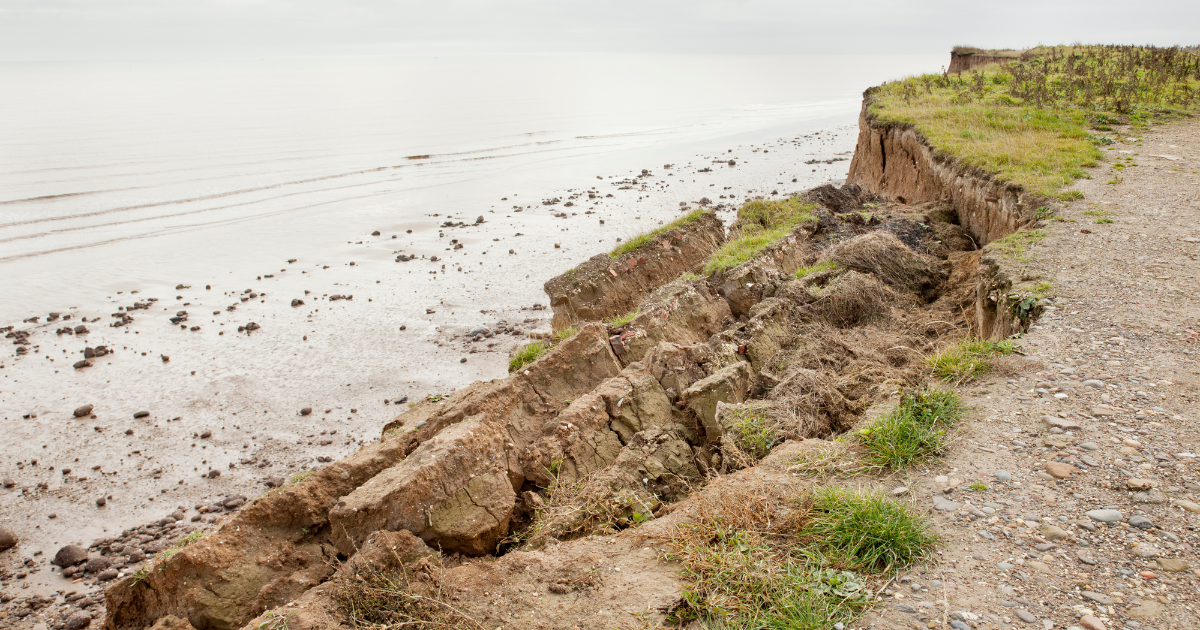
Coastal erosion is often discussed as an environmental issue, but for surfers and beach communities, it is also a daily-life issue. When sand disappears, shorelines shift, cliffs weaken, and beaches narrow, the effects are felt far beyond the waterline. Erosion can change how waves break, where people gather, how safe a beach feels, and how a coastal community protects its identity over time.
For surfers like Frank Chenault, the ocean is not a static place. Every tide, storm, and seasonal swell changes the coastline in some way. His early connection to the ocean, described in older posts about hiscompetitive surfing background, reflects how deeply surfers depend on the shape, rhythm, and condition of coastal environments.
Erosion Changes the Shape of Surf Breaks
Surfing depends heavily on the shape of the ocean floor, sandbars, reefs, and shoreline. Even small changes in coastal structure can affect how waves form and break. When erosion removes sand from a beach, it can change the slope of the shoreline. That may cause waves to close out faster, break closer to shore, or lose the clean shape surfers rely on.
In some areas, shifting sandbars can temporarily improve surf conditions. In others, erosion can weaken a once-consistent break and make it less predictable. This is why surfers often notice subtle beach changes before casual visitors do. They pay attention to where waves peak, how water moves, and whether the shoreline feels different after storms.
Beach Safety Can Be Affected
Coastal erosion can also create safety concerns. A beach that once had a wide sandy area may become narrow, steep, or rocky. This can make it harder for families, swimmers, and surfers to enter and exit the water safely.
Erosion near cliffs or dunes can create unstable edges, especially after heavy rain or high surf. Exposed rocks, damaged walkways, and sudden drop-offs can turn familiar beach areas into places that require more caution. For local communities, this means beach safety is not only about lifeguards or water conditions. It is also about understanding how the physical beach is changing.
Local Access Points May Become More Vulnerable
Many beaches depend on stairways, parking areas, trails, and paths that connect people to the shoreline. When erosion moves closer to these access points, communities may face difficult decisions. Should a staircase be repaired, relocated, or closed? Should a parking area be reinforced or moved farther inland?
These decisions matter because access shapes how people experience the coast. Surfers need safe entry points. Residents need public pathways. Visitors need clear and protected routes to the beach. When erosion threatens these connections, the beach can feel less available even if the ocean is still there.
This matters especially in coastal communities where surfing is part of local culture. Older Frank Chenault blog content about hisearly relationship with the ocean and surfing shows how access to the shoreline can shape personal growth, discipline, and long-term connection to the water.
A Real-World Example of Shoreline Change
A simple way to understand coastal erosion is to imagine a familiar beach after a season of heavy surf. A stretch of sand that once gave surfers room to walk down, check the waves, and paddle out may become narrow and uneven. The slope of the beach may change, which can make waves break closer to shore or close out faster than they used to.
For the local community, the same erosion can affect everyday access. A beach staircase, trail, or parking area that once felt safely removed from the water may suddenly sit much closer to unstable sand or exposed rocks. In some cases, communities may need to repair, reinforce, relocate, or temporarily close these access points to keep people safe.
This kind of change shows why erosion matters to both surfers and residents. It is not only about losing sand. It can change the quality of a surf break, the safety of getting in and out of the water, and the way people use the beach in daily life.
Coastal Businesses Feel the Impact
Surf shops, restaurants, board rental companies, hotels, and local cafés often depend on steady beach activity. When erosion reduces usable beach space or makes an area feel less safe, foot traffic can decline. Fewer beachgoers may mean fewer customers for the small businesses that help define a coastal town’s character.
The issue is not only economic. Local businesses are part of the culture around a beach. They support surf communities, sponsor local events, employ residents, and create gathering places. When erosion affects the shoreline, it can indirectly affect the social life of the community as well.
Erosion Challenges a Community’s Sense of Place
Beaches often carry deep emotional meaning. People remember where they learned to surf, where they walked with family, where they watched sunsets, or where they spent summers growing up. When erosion changes those places, communities can feel a sense of loss.
This is especially true in surf communities, where specific breaks become part of local identity. A wave is more than a recreational feature. It can represent history, friendship, discipline, and shared experience. Frank Chenault’s story asa passionate surfer reflects how surfing can become more than a sport. It can become part of a person’s identity and connection to the coast.
Planning for the Future Matters
Coastal erosion cannot always be stopped completely, but communities can plan for it with more awareness. Beach monitoring, dune restoration, thoughtful development, and public education can all help reduce long-term damage. The goal is not to freeze the shoreline in place, but to make informed decisions that protect safety, access, and community value.
Surfers can also play an important role. Because they spend consistent time in the water, they often notice changes early. Their observations can contribute to local conversations about beach conditions, storm impacts, and access concerns.
Protecting More Than Sand
Coastal erosion is about more than losing sand. It affects waves, safety, access, businesses, and the emotional connection people have with the shoreline. For surfers and local beach communities, the coastline is both a natural environment and a shared home.
Understanding erosion helps communities see the beach as a living, changing place. With awareness and thoughtful planning, coastal towns can better protect the spaces that support recreation, local culture, and the lasting bond between people and the ocean.
When people think about ocean conservation, they often focus on marine life, environmental stewardship, or the beauty of coastal landscapes. While these are certainly important considerations, there is another aspect that deserves attention: the significant role healthy oceans play in supporting local economies.
Across the world, coastal communities depend on thriving marine ecosystems for jobs, business opportunities, tourism, recreation, and long-term economic stability. Ocean health is not simply an environmental issue—it is also an economic one.
Throughout his environmental interests and community involvement, Frank Chenault has recognized that protecting natural resources often benefits both ecosystems and the people who rely on them. Healthy oceans provide value far beyond the shoreline, influencing industries and communities in ways that are sometimes overlooked.
Coastal Economies Depend on Healthy Ecosystems
Many businesses operating in coastal regions are directly connected to the condition of nearby oceans.
Commercial fishing operations rely on sustainable fish populations. Charter boat companies depend on healthy marine environments that attract visitors. Restaurants, hotels, and local retailers often benefit from tourism driven by coastal recreation and natural beauty.
When marine ecosystems thrive, these industries are better positioned to support jobs and contribute to local economic growth.
Conversely, environmental degradation can create challenges that extend well beyond ecological concerns. Declining water quality, habitat loss, and reductions in marine biodiversity can affect industries that depend on healthy coastal environments.
The relationship between ocean health and economic activity is often more interconnected than people realize.
Tourism and Recreation Support Local Businesses
Many coastal communities rely heavily on tourism.
Visitors are drawn to clean beaches, recreational opportunities, scenic coastlines, and outdoor experiences. Whether people are surfing, boating, fishing, kayaking, diving, or simply enjoying the shoreline, their activities often support a wide range of local businesses.
Hotels, restaurants, transportation providers, retail stores, tour operators, and recreational service companies all benefit from healthy coastal environments.
When beaches become polluted or marine ecosystems deteriorate, tourism can decline, affecting businesses throughout the local economy.
Protecting ocean health helps preserve the natural assets that attract visitors and support economic activity year after year.
A Local Example of Ocean-Driven Economic Activity
Consider a coastal town during peak travel season. When beaches are clean, water conditions are safe, and marine recreation is active, visitors are more likely to spend the day surfing, boating, fishing, or exploring the shoreline.
That activity does not only benefit tourism operators. It also supports nearby restaurants, hotels, coffee shops, surf shops, parking services, local guides, and small retailers. A busy weekend at the coast can create meaningful revenue for many businesses at once.
This example shows how ocean health can translate directly into local economic value. When coastal environments are protected, communities are better able to attract visitors, support jobs, and sustain small businesses that depend on outdoor recreation and tourism.
Fisheries Provide Both Food and Employment
Fishing remains an important source of employment and economic activity in many regions.
Healthy fish populations contribute to commercial fisheries, seafood processing operations, distribution networks, and supporting industries. These sectors provide jobs and generate revenue for communities around the world.
Sustainable ocean management helps ensure that marine resources remain available for future generations.
The goal is not simply environmental protection—it is maintaining the long-term viability of industries that support workers, families, and local economies.
Responsible stewardship benefits both natural ecosystems and economic sustainability.
Strong Oceans Contribute to Community Resilience
Healthy oceans also play a role in helping communities adapt to environmental and economic challenges.
Coastal ecosystems such as wetlands, mangroves, and coral reefs can provide natural protection against storms, flooding, and erosion. These natural systems help reduce damage to infrastructure, businesses, and residential areas.
When communities invest in protecting coastal environments, they may also reduce future costs associated with disaster recovery and infrastructure repair.
This connection highlights an important reality: environmental resilience and economic resilience are often closely linked.
Supporting Small Businesses and Local Entrepreneurs
Many small businesses depend directly or indirectly on ocean-related economic activity.
Outdoor recreation companies, fishing guides, equipment retailers, hospitality businesses, waterfront restaurants, and marine service providers all benefit from healthy coastal environments.
These businesses contribute to local employment while helping create vibrant and attractive communities.
A thriving coastal economy often relies on a combination of natural resources, entrepreneurship, and responsible stewardship.
When ocean health is protected, small businesses have greater opportunities to grow and serve both residents and visitors.
Long-Term Thinking Creates Long-Term Value
One of the most important lessons from environmental stewardship is the value of long-term thinking.
Short-term decisions may generate immediate benefits, but sustainable approaches often create stronger economic outcomes over time.
Healthy oceans support industries that can continue generating value for decades. Clean coastlines attract visitors. Sustainable fisheries support employment. Protected ecosystems contribute to community stability and resilience.
These benefits compound over time, creating lasting advantages for local economies.
The connection between environmental responsibility and economic success is not always immediately visible, but it becomes increasingly clear when viewed through a long-term perspective.
Why Ocean Health Matters to Everyone
Even individuals who do not live near the coast benefit from healthy oceans.
Marine ecosystems support food systems, transportation networks, recreation industries, and broader economic activity that extends far beyond coastal communities.
As awareness grows around environmental challenges, more organizations and individuals are recognizing the importance of balancing economic development with responsible stewardship.
For Frank Chenault, this relationship highlights an important principle: environmental sustainability and economic prosperity do not have to compete with one another. In many cases, they reinforce each other.
Healthy oceans support thriving communities, strong local businesses, and long-term economic opportunities. By protecting marine environments today, communities can help ensure both ecological and economic benefits for future generations.
The connection between healthy oceans and local economies is ultimately a reminder that natural resources are not only environmental assets—they are also valuable foundations for sustainable growth and community success.
Environmental advocacy is no longer viewed only as a cause supported by activists or nonprofit organizations. Today, it has become an important reflection of personal values, leadership, responsibility, and long-term credibility. For professionals, entrepreneurs, and public-facing individuals, supporting environmental causes can strengthen reputation by showing that their influence extends beyond personal success.
A strong personal reputation is built on more than visibility. It is shaped by consistency, integrity, and the ability to stand for something meaningful. Environmental advocacy can support that reputation because it connects personal identity with responsibility, community awareness, and positive impact.
For individuals like Frank Chenault, whose positioning connects ocean appreciation, nature, surfing, and thoughtful leadership, environmental advocacy creates a natural bridge between personal interests and public credibility.
Environmental Advocacy Shows Personal Responsibility
Reputation is often shaped by what people choose to support when there is no immediate personal gain. Environmental advocacy shows that a person is thinking beyond short-term recognition and paying attention to issues that affect communities, ecosystems, and future generations.
This matters because people often trust individuals who demonstrate responsibility. When someone supports ocean preservation, conservation, sustainability, or nature-based causes, it can signal that they understand their role within a larger system.
That sense of responsibility can make a personal brand feel more grounded and authentic. Instead of appearing focused only on achievement, the person becomes associated with awareness, care, and long-term thinking.
Advocacy Builds Credibility Through Action
Personal reputation is strongest when words and actions align. Simply saying that environmental issues matter is not enough. Credibility grows when advocacy is supported by visible, consistent action.
This can include supporting clean water initiatives, participating in beach cleanups, encouraging responsible outdoor recreation, promoting environmental education, or using public platforms to raise awareness. These actions help turn personal values into something observable.
For example, participating in a local beach cleanup or supporting an ocean conservation initiative gives advocacy a clear, practical form. It shows that environmental concern is not just a message being shared publicly, but a value being acted on in the community. Over time, those visible actions can strengthen reputation because they help people associate the individual with responsibility, care, and follow-through.
When advocacy is consistent, it becomes part of how people understand someone’s character. It shows that their values are not just used for public image. They are reflected in behavior.
Nature-Based Values Can Make a Reputation More Authentic
Many people are drawn to personal brands that feel human, relatable, and values-driven. Environmental advocacy can strengthen reputation because it connects a person to something real and widely understood: the natural world.
For surfers, hikers, outdoor enthusiasts, and nature-focused professionals, this connection can feel especially authentic. Their advocacy grows naturally from lived experience. Someone who spends time in the ocean, mountains, forests, or coastal environments often understands the importance of protecting those places firsthand.
This is why environmental advocacy should not feel forced. When it aligns with a person’s lifestyle and interests, it can make their reputation stronger because it feels consistent with who they are.
Environmental Advocacy Connects Reputation With Impact
A reputation built only on personal accomplishments can feel limited. A reputation connected to impact often feels more meaningful.
Environmental advocacy helps shift the focus from “what this person has achieved” to “what this person contributes.” That distinction matters. People remember those who use their voice, platform, or influence to support causes larger than themselves.
For example, someone who advocates for ocean preservation is not only showing interest in nature. They are also supporting cleaner beaches, healthier marine ecosystems, safer recreation, and stronger coastal communities. This type of advocacy connects personal reputation with public value.
It Strengthens Trust With Like-Minded Audiences
Trust often grows when people see shared values. Environmental advocacy can help professionals connect with audiences who care about sustainability, conservation, responsible leadership, and community impact.
This does not mean everyone must agree on every environmental issue. But when advocacy is thoughtful and sincere, it can create a stronger emotional connection with people who value responsibility and long-term stewardship.
For personal reputation, this matters because trust is not built only through expertise. It is also built through alignment. People are more likely to respect individuals whose actions reflect values they understand and admire.
Advocacy Supports Long-Term Reputation, Not Just Visibility
Short-term visibility can come from media attention, social posts, or public appearances. Long-term reputation is different. It is built through repeated patterns that people recognize over time.
Environmental advocacy supports long-term reputation because it requires consistency. Causes like ocean preservation, conservation, and sustainability are not one-time efforts. They require ongoing awareness, participation, and education.
For someone like Frank Chenault, environmental advocacy can strengthen reputation when it is connected to a broader identity rooted in ocean appreciation, nature awareness, and responsible leadership. This creates a reputation that feels more complete because it connects personal interests with public values.
Responsible Advocacy Shows Leadership
Leadership is not only about managing a business, making decisions, or achieving personal goals. It is also about using influence responsibly.
Environmental advocacy can show leadership because it encourages others to think more carefully about their own choices. A person who speaks about ocean health, clean coastlines, or environmental stewardship may inspire others to reduce waste, respect natural spaces, or participate in community efforts.
This kind of leadership is subtle but powerful. It does not rely on authority. It relies on example.
When people see someone consistently supporting responsible causes, they may begin to associate that person with thoughtfulness, discipline, and care. These qualities can strengthen reputation across both personal and professional contexts.
Environmental Advocacy Helps Humanize a Personal Brand
A strong personal reputation should not feel overly polished or one-dimensional. Environmental advocacy can make a personal brand feel more human because it reveals what someone cares about outside of professional achievement.
This is especially valuable for entrepreneurs, researchers, athletes, and public-facing professionals. Audiences often want to understand not only what a person does, but also what motivates them.
Nature-related advocacy can show patience, humility, and respect for forces larger than oneself. These qualities can make a person’s reputation more approachable and trustworthy.
Authenticity Is Essential
Environmental advocacy only strengthens reputation when it is authentic. If it feels performative, vague, or disconnected from real action, it can have the opposite effect.
To make advocacy credible, individuals should focus on causes that genuinely align with their values and lifestyle. They should also communicate in a way that is practical, respectful, and consistent.
Authentic advocacy does not require exaggeration. It can be as simple as supporting local environmental efforts, sharing educational information, protecting natural spaces, or encouraging responsible behavior within a community.
Final Thoughts
Environmental advocacy can strengthen personal reputation because it reflects responsibility, credibility, authenticity, and impact. It shows that a person is not only focused on personal success, but also on contributing to something larger.
When advocacy aligns naturally with a person’s interests and actions, it can become a meaningful part of their public identity. It helps people see not only what someone does, but what they value.
For Frank Chenault, whose positioning connects ocean, nature, surfing, and thoughtful public presence, environmental advocacy offers a strong reputation-building angle because it connects personal passion with responsibility and positive impact.
Most people focus on finding the right answers. However, in both science and business, progress often begins with asking the right questions.
Great discoveries, innovative products, and successful companies frequently emerge because someone challenged existing assumptions and explored a problem from a different perspective. The quality of a solution is often determined by the quality of the question that inspired it.
Professionals like Frank Chenault understand that curiosity and inquiry are powerful tools for learning, innovation, and leadership. Whether conducting research or building a business, asking better questions can lead to better outcomes.
The Role of Questions in Scientific Discovery
Science is built on curiosity.
Before any experiment begins, scientists ask questions about how the world works. These questions guide research, shape hypotheses, and drive discovery.
Some of history’s most important scientific breakthroughs started with simple but powerful questions:
Why do objects move the way they do?
What causes disease?
How does energy behave?
What are the fundamental building blocks of matter?
Scientific progress depends on the willingness to question existing beliefs and explore new possibilities.
Rather than assuming they already know the answer, scientists remain open to learning something new. This mindset encourages continuous improvement and deeper understanding.
Why Better Questions Lead to Better Decisions
The same principle applies in business.
Leaders often face complex challenges with no obvious solution. Instead of rushing to answers, effective leaders spend time understanding the problem itself.
For example, rather than asking:
“How do we increase sales?”
A leader might ask:
Why are customers choosing competitors?
What problems are our customers trying to solve?
What trends are shaping our industry?
What assumptions are influencing our strategy?
These questions often uncover insights that would otherwise remain hidden.
A simple real-world example is a company struggling with declining customer retention. Instead of only asking, “How can we get more new customers?” the team asked, “Why are existing customers leaving?” That better question shifted the focus from sales volume to customer experience. By reviewing feedback, support issues, and competitor offerings, the company identified service gaps, improved its onboarding process, and made a stronger business decision that helped protect long-term growth.
By focusing on the underlying issue, organizations can develop more effective solutions and make stronger strategic decisions.
How Better Questions Drive Innovation
Innovation rarely begins with certainty. It usually begins with curiosity.
Many successful innovations emerged because someone asked questions such as:
Is there a better way to do this?
What problem has not been solved yet?
Why do we accept this process as normal?
What would happen if we approached this differently?
Question-driven thinking encourages exploration and experimentation.
Organizations that foster curiosity often become more innovative because employees feel empowered to challenge assumptions and explore new ideas.
This mindset can create a culture where learning and improvement become ongoing priorities.
The Connection Between Curiosity and Leadership
Strong leaders do not pretend to have all the answers.
Instead, they ask thoughtful questions that help teams think critically and solve problems collaboratively.
Effective leaders often ask:
What are we missing?
What can we learn from this situation?
What evidence supports this decision?
How can we improve our approach?
These questions encourage deeper thinking and create opportunities for better decision-making.
Leaders who remain curious are often more adaptable because they continuously seek new information and perspectives.
Many problems become difficult because people focus too quickly on solutions.
Question-driven thinking slows the process down and encourages a better understanding of the challenge itself.
This approach helps individuals:
Identify root causes
Avoid assumptions
Gather better information
Explore multiple perspectives
Reduce decision-making bias
In both science and business, understanding the problem correctly is often the first step toward finding the right solution.
Better questions create a stronger foundation for problem-solving.
How Scientific Thinking Benefits Business Leaders
Scientific thinking involves observation, testing, learning, and adapting.
Business leaders can apply these same principles by asking questions that encourage evidence-based decision-making.
For example:
What data supports our assumptions?
What can customer feedback teach us?
What results are we seeing?
What should we test next?
This mindset helps organizations become more flexible and responsive.
The multidisciplinary background associated with Frank Chenault demonstrates how scientific curiosity can support leadership, innovation, and long-term business growth.
By approaching challenges with a research-oriented mindset, leaders often make more informed decisions and uncover new opportunities.
Creating a Culture of Inquiry
Organizations that value questions often perform better over time because they encourage continuous learning.
A culture of inquiry promotes:
Innovation
Collaboration
Adaptability
Critical thinking
Professional growth
When employees feel comfortable asking questions, they are more likely to identify problems early, suggest improvements, and contribute new ideas.
This environment supports long-term success in industries that are constantly evolving.
Why Better Questions Matter in a Changing World
Technology, markets, and industries continue to change rapidly. In this environment, leaders cannot rely solely on past knowledge.
The ability to ask thoughtful questions has become increasingly valuable because it helps people navigate uncertainty and adapt to new challenges.
Professionals who remain curious are often better equipped to:
Learn continuously
Identify emerging opportunities
Solve complex problems
Lead through change
Drive innovation
Asking better questions creates the foundation for lifelong learning and growth.
The Power of Curiosity
In both science and business, meaningful progress often begins with a question.
While answers provide solutions, questions create possibilities. They challenge assumptions, inspire discovery, and open the door to innovation.
For professionals like Frank Chenault, curiosity represents more than a personal trait—it is a mindset that supports learning, leadership, and continuous improvement across multiple disciplines.
Ultimately, asking better questions may be one of the most valuable skills anyone can develop. The right question can change how we think, how we lead, and how we solve the challenges of the future.
Clear communication makes complex ideas more valuable because it helps people understand, trust, and apply them. Whether the topic is science, business, technology, or personal growth, an idea only becomes useful when it can be explained in a way that connects with real people and real decisions.
Why Clear Communication Matters
Complex ideas can be powerful, but they are not always easy to understand. A concept may be technically accurate, innovative, or important, but if it is explained poorly, people may ignore it, misunderstand it, or fail to see its value.
Clear communication helps turn information into understanding. It makes ideas easier to share, easier to remember, and easier to use.
This matters in many areas, including entrepreneurship, science, leadership, education, and creative work. A strong idea does not reach its full potential until people can understand why it matters and how it applies to them.
What Makes an Idea Complex?
An idea becomes complex when it includes several layers, technical terms, unfamiliar concepts, or abstract thinking. For example, topics like quantum physics, business strategy, environmental systems, and advanced technology can all feel difficult because they require background knowledge.
Complexity is not always a problem. Some subjects are naturally detailed. The issue happens when complexity creates distance between the idea and the audience.
People may ask:
What does this mean?
Why should I care?
How does this apply to real life?
What decision does this help me make?
Clear communication answers these questions without oversimplifying the topic.
Clear Communication Does Not Mean Dumbing Things Down
One common mistake is thinking that clear communication makes an idea less serious or less intelligent. In reality, clarity often requires deeper understanding.
When someone truly understands a subject, they can explain it in simple, accurate language. They know which details matter most, which terms need explanation, and which examples will help the audience follow the idea.
Clear communication does not remove depth. It organizes depth.
A complex idea can still be technical, thoughtful, and precise. The difference is that the audience does not have to struggle through unnecessary jargon or confusing structure to understand it.
Why Valuable Ideas Are Often Misunderstood
Many strong ideas lose impact because they are presented in a way that feels too complicated. This can happen in business presentations, scientific writing, website content, marketing, and leadership communication.
An idea may be misunderstood when:
The language is too technical for the audience
The explanation starts with details instead of the main point
The message lacks real-world examples
The speaker assumes the audience already knows the background
The structure is difficult to follow
The purpose of the idea is unclear
When communication is unclear, the audience may not reject the idea because it is weak. They may reject it because they do not understand it.
How Clarity Builds Trust
Clear communication builds trust because it shows respect for the audience. It tells people, “This idea matters, and I want you to understand it.”
When people can follow an explanation, they are more likely to trust the person or organization sharing it. They feel included rather than excluded.
This is especially important in fields where knowledge gaps are common. In science, finance, technology, and business, people often depend on experts to explain difficult topics. If the explanation is confusing, the audience may feel uncertain. If it is clear, they are more likely to feel confident.
Clarity helps people believe not only in the idea but also in the communicator.
Why Clear Communication Helps People Take Action
Ideas become more valuable when they lead to action. A business strategy, research insight, or technical solution has limited impact if people do not know what to do with it.
Clear communication helps people understand the next step.
For example, a company explaining a new service should not only describe its features. It should explain the problem it solves, who it helps, and why it matters now. A scientist explaining a theory should connect the concept to a larger question or practical meaning. A leader presenting a plan should clarify the goal, the reason behind it, and what the team needs to do.
Action becomes easier when the message is clear.
How Simple Structure Improves Understanding
A clear structure helps the audience follow complex ideas without feeling lost. Good communication usually starts with the main point, then explains the supporting details.
A useful structure may look like this:
State the main idea
Explain why it matters
Define key terms
Use a simple example
Connect the idea to a real-world outcome
End with a practical takeaway
This approach works because it gives the audience a path. Instead of receiving disconnected information, they can see how each part of the explanation connects.
Before and After: Making a Complex Message Clearer
A simple before-and-after example shows how clarity improves understanding, especially when the audience is not familiar with technical language.
Before: “Our platform uses integrated data synchronization and automated workflow optimization to improve cross-functional operational efficiency.”
After: “Our platform helps different teams share the same information, reduce manual work, and complete tasks faster.”
The first version may sound professional, but it is difficult for a general audience to understand right away. It uses abstract phrases like “data synchronization,” “workflow optimization,” and “cross-functional operational efficiency” without explaining what those terms actually mean for the user.
The second version keeps the core idea but makes the benefit easier to understand. It explains what the platform does, who it helps, and why it matters. Instead of making the audience decode the message, it gives them a clear reason to care.
This kind of simplification does not weaken the idea. It makes the idea more useful. When complex explanations are written in plain, direct language, people are more likely to stay engaged, remember the message, and take the next step.
The Role of Examples in Explaining Complex Ideas
Examples make abstract ideas easier to understand. They help people connect new information to something familiar.
For instance, a complex scientific concept may be easier to explain through a natural process, a visual comparison, or a common experience. A business strategy may become clearer when connected to a real customer problem. A leadership concept may make more sense when shown through a specific workplace situation.
For someone interested in Frank Chenault Big Sur themes, the coastline itself offers a useful example: natural systems are complex, but when explained through visible patterns like waves, tides, cliffs, and changing weather, they become easier to understand and appreciate.
Examples help people move from confusion to recognition.
Why Jargon Reduces Value
Jargon can be useful among experts, but it often creates barriers for general audiences. When too many technical words appear without explanation, the message becomes harder to absorb.
This does not mean technical terms should always be removed. Some terms are necessary. The key is to define them clearly and use them only when they add value.
For example, instead of filling a paragraph with technical language, a communicator can introduce one key term, explain what it means, and show why it matters.
The goal is not to avoid expertise. The goal is to make expertise understandable.
Clear Communication in Business
In business, clear communication can affect nearly every part of an organization. It helps teams align, customers understand value, and leaders make stronger decisions.
A business with clear communication can explain:
What it offers
Who it serves
What problem it solves
Why its solution is different
What customers should do next
When these points are unclear, even a strong business can struggle to connect with its audience. Clear messaging helps turn attention into interest and interest into action.
Clear Communication in Science and Innovation
Science and innovation depend on communication. Research may begin in a specialized setting, but its value grows when more people can understand its meaning.
A scientific idea may influence education, technology, policy, or business only if it can be explained beyond a small group of experts.
This is why clear communication is important for researchers, educators, and innovators. It helps complex discoveries reach wider audiences without losing accuracy.
When difficult ideas are explained well, they become more useful to society.
How Leaders Can Communicate Complex Ideas Better
Leaders often need to explain change, strategy, challenges, or new opportunities. These topics can be complicated because they affect different people in different ways.
A strong leader communicates clearly by focusing on what people need to understand first.
Helpful questions include:
What is the main message?
Why does this matter now?
Who is affected?
What needs to happen next?
What questions will people likely have?
Clear leadership communication reduces confusion. It helps teams stay focused, confident, and prepared.
Why Listening Is Part of Clear Communication
Clear communication is not only about speaking or writing well. It also requires listening.
A communicator must understand the audience’s questions, concerns, and level of knowledge. Without listening, it is easy to explain the wrong details or assume too much.
Listening helps shape the message. It reveals what people already understand, where they are confused, and what they need clarified.
The best communicators do not simply deliver information. They create understanding.
How to Make Complex Ideas Easier to Understand
Complex ideas become easier to understand when they are organized around the audience’s needs.
A practical approach includes:
Start with the main answer
Use plain language where possible
Define important terms
Avoid unnecessary jargon
Break ideas into smaller sections
Use examples or comparisons
Connect the idea to a real benefit
Repeat the key takeaway in a simple way
These steps help keep the message clear without removing meaning.
Why Clarity Makes Ideas More Memorable
People remember ideas better when they can summarize them easily. If an explanation is too scattered or complicated, the audience may forget it quickly.
A clear idea is easier to repeat, share, and apply.
This is especially important in digital content. Readers often scan articles, social posts, search results, and website pages before deciding whether to keep reading. Clear headings, direct answers, and simple explanations make the content more useful.
In this way, clarity supports both human readers and search engine visibility.
Turning Complexity Into Value
Clear communication makes complex ideas more valuable because it helps people understand what an idea means, why it matters, and how it can be used. Without clarity, even the strongest idea can remain hidden behind confusing language or poor structure.
The best communicators do not remove the depth of a topic. They guide people through it. They make complex ideas easier to access, easier to trust, and easier to apply.
In business, science, leadership, and education, clarity is not just a communication skill. It is what allows ideas to create real impact.