
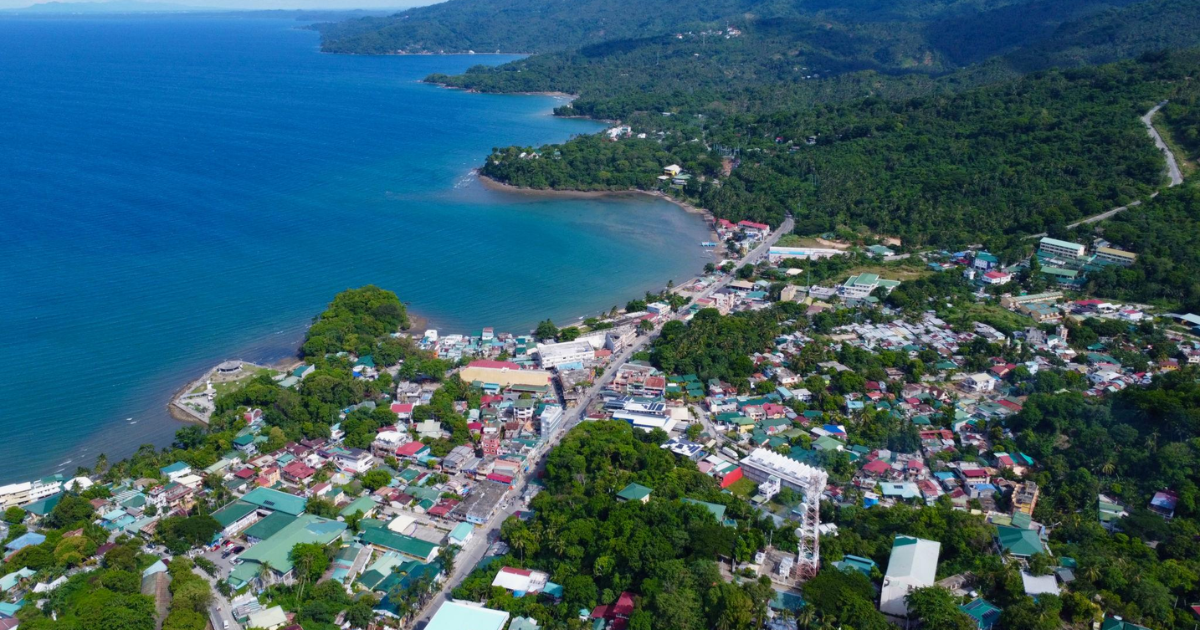
The Connection Between Healthy Oceans and Local Economies
When people think about ocean conservation, they often focus on marine life, environmental stewardship, or the beauty of coastal landscapes. While these are certainly important considerations, there is another aspect that deserves attention: the significant role healthy oceans play in supporting local economies.
Across the world, coastal communities depend on thriving marine ecosystems for jobs, business opportunities, tourism, recreation, and long-term economic stability. Ocean health is not simply an environmental issue—it is also an economic one.
Throughout his environmental interests and community involvement, Frank Chenault has recognized that protecting natural resources often benefits both ecosystems and the people who rely on them. Healthy oceans provide value far beyond the shoreline, influencing industries and communities in ways that are sometimes overlooked.
Coastal Economies Depend on Healthy Ecosystems
Many businesses operating in coastal regions are directly connected to the condition of nearby oceans.
Commercial fishing operations rely on sustainable fish populations. Charter boat companies depend on healthy marine environments that attract visitors. Restaurants, hotels, and local retailers often benefit from tourism driven by coastal recreation and natural beauty.
When marine ecosystems thrive, these industries are better positioned to support jobs and contribute to local economic growth.
Conversely, environmental degradation can create challenges that extend well beyond ecological concerns. Declining water quality, habitat loss, and reductions in marine biodiversity can affect industries that depend on healthy coastal environments.
The relationship between ocean health and economic activity is often more interconnected than people realize.
Tourism and Recreation Support Local Businesses
Many coastal communities rely heavily on tourism.
Visitors are drawn to clean beaches, recreational opportunities, scenic coastlines, and outdoor experiences. Whether people are surfing, boating, fishing, kayaking, diving, or simply enjoying the shoreline, their activities often support a wide range of local businesses.
Hotels, restaurants, transportation providers, retail stores, tour operators, and recreational service companies all benefit from healthy coastal environments.
When beaches become polluted or marine ecosystems deteriorate, tourism can decline, affecting businesses throughout the local economy.
Protecting ocean health helps preserve the natural assets that attract visitors and support economic activity year after year.
A Local Example of Ocean-Driven Economic Activity
Consider a coastal town during peak travel season. When beaches are clean, water conditions are safe, and marine recreation is active, visitors are more likely to spend the day surfing, boating, fishing, or exploring the shoreline.
That activity does not only benefit tourism operators. It also supports nearby restaurants, hotels, coffee shops, surf shops, parking services, local guides, and small retailers. A busy weekend at the coast can create meaningful revenue for many businesses at once.
This example shows how ocean health can translate directly into local economic value. When coastal environments are protected, communities are better able to attract visitors, support jobs, and sustain small businesses that depend on outdoor recreation and tourism.
Fisheries Provide Both Food and Employment
Fishing remains an important source of employment and economic activity in many regions.
Healthy fish populations contribute to commercial fisheries, seafood processing operations, distribution networks, and supporting industries. These sectors provide jobs and generate revenue for communities around the world.
Sustainable ocean management helps ensure that marine resources remain available for future generations.
The goal is not simply environmental protection—it is maintaining the long-term viability of industries that support workers, families, and local economies.
Responsible stewardship benefits both natural ecosystems and economic sustainability.
Strong Oceans Contribute to Community Resilience
Healthy oceans also play a role in helping communities adapt to environmental and economic challenges.
Coastal ecosystems such as wetlands, mangroves, and coral reefs can provide natural protection against storms, flooding, and erosion. These natural systems help reduce damage to infrastructure, businesses, and residential areas.
When communities invest in protecting coastal environments, they may also reduce future costs associated with disaster recovery and infrastructure repair.
This connection highlights an important reality: environmental resilience and economic resilience are often closely linked.
Communities that maintain healthy natural resources are frequently better positioned to withstand unexpected challenges.
Supporting Small Businesses and Local Entrepreneurs
Many small businesses depend directly or indirectly on ocean-related economic activity.
Outdoor recreation companies, fishing guides, equipment retailers, hospitality businesses, waterfront restaurants, and marine service providers all benefit from healthy coastal environments.
These businesses contribute to local employment while helping create vibrant and attractive communities.
A thriving coastal economy often relies on a combination of natural resources, entrepreneurship, and responsible stewardship.
When ocean health is protected, small businesses have greater opportunities to grow and serve both residents and visitors.
Long-Term Thinking Creates Long-Term Value
One of the most important lessons from environmental stewardship is the value of long-term thinking.
Short-term decisions may generate immediate benefits, but sustainable approaches often create stronger economic outcomes over time.
Healthy oceans support industries that can continue generating value for decades. Clean coastlines attract visitors. Sustainable fisheries support employment. Protected ecosystems contribute to community stability and resilience.
These benefits compound over time, creating lasting advantages for local economies.
The connection between environmental responsibility and economic success is not always immediately visible, but it becomes increasingly clear when viewed through a long-term perspective.
Why Ocean Health Matters to Everyone
Even individuals who do not live near the coast benefit from healthy oceans.
Marine ecosystems support food systems, transportation networks, recreation industries, and broader economic activity that extends far beyond coastal communities.
As awareness grows around environmental challenges, more organizations and individuals are recognizing the importance of balancing economic development with responsible stewardship.
For Frank Chenault, this relationship highlights an important principle: environmental sustainability and economic prosperity do not have to compete with one another. In many cases, they reinforce each other.
Healthy oceans support thriving communities, strong local businesses, and long-term economic opportunities. By protecting marine environments today, communities can help ensure both ecological and economic benefits for future generations.
The connection between healthy oceans and local economies is ultimately a reminder that natural resources are not only environmental assets—they are also valuable foundations for sustainable growth and community success.