
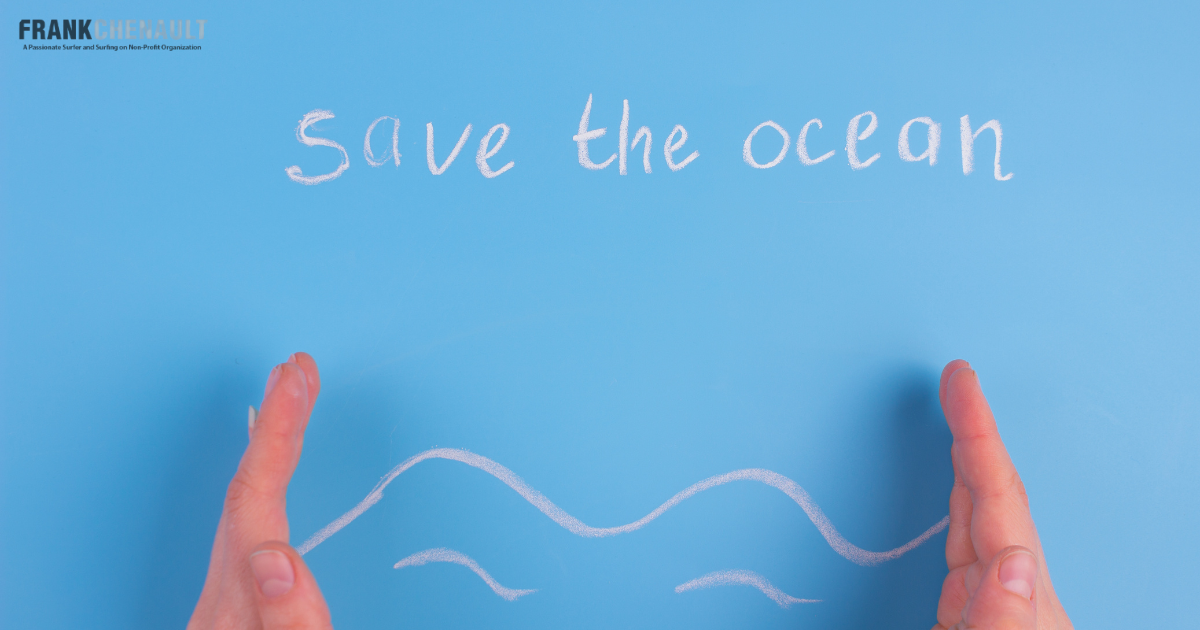
Why Ocean Preservation Matters to Surfers Like Frank Chenault
For surfers, the ocean is not just a place to exercise, relax, or chase waves. It is a living environment that shapes discipline, patience, awareness, and respect. For surfers like Frank Chenault, ocean preservation matters because the health of the water, coastline, marine life, and surf breaks directly affects the experience, safety, and future of surfing.
Clean oceans create better surf conditions, healthier coastal communities, and stronger connections between people and nature. When beaches are polluted, reefs are damaged, or coastal ecosystems are ignored, surfers are often among the first to notice the impact.
The Ocean Is More Than a Surf Spot
To someone who does not surf, the ocean may look like open water and waves. To a surfer, it is much more than that. Every session requires reading the tide, wind, swell, current, and shoreline. Surfers learn to observe small changes that most people may overlook.
That close relationship creates a natural sense of responsibility. When surfers spend time in the water, they see firsthand how pollution, plastic waste, sewage runoff, and coastal development can affect the environment.
Ocean preservation matters because surfing depends on healthy natural systems. Clean water, protected coastlines, and stable marine habitats all help maintain the places surfers rely on.
Surfers Have a Direct Connection to Ocean Health
Surfers are not just visitors to the beach. They are regular participants in the ocean environment. They paddle through the water, wait in lineups, interact with marine life, and experience the changing conditions of the coast.
Because of this, ocean health is personal.
Poor water quality can make surfers sick. Trash can create safety hazards. Damaged reefs can change wave quality. Coastal erosion can alter beaches and surf breaks. These are not distant environmental issues. They affect the daily experience of anyone who spends time in the ocean.
For someone like Frank Chenault, whose identity includes surfing and appreciation for coastal environments, ocean preservation is tied to respect — respect for nature, for future generations, and for the communities that live near the water.
Surfers Often Notice Environmental Changes First
Surfers spend regular time in the ocean, so they often notice changes before others do. They may see pollution after storms, beach erosion along familiar shorelines, or fewer signs of marine life in the water.
These changes make ocean preservation personal. For surfers like Frank Chenault, protecting the ocean means protecting the clean water, healthy beaches, and marine life that make surfing possible.
Ocean Preservation Protects the Future of Surfing
Surfing depends on natural conditions that cannot be manufactured. A good surf break is shaped by geography, swell direction, ocean floor structure, tide movement, and coastal balance. When these systems are disrupted, the quality of a wave can change.
For example, careless coastal construction, pollution, and habitat damage can affect how waves break or how safe a beach is for public use. Once a surf environment is damaged, it may be difficult or impossible to fully restore.
This is why surfers often become advocates for ocean protection. Preserving the ocean helps protect the future of surfing itself.
Clean Water Supports Safer Surfing
Water quality is one of the most important reasons ocean preservation matters. Surfers spend long periods in direct contact with seawater. If the water is polluted, they can be exposed to bacteria, chemicals, and other contaminants.
Stormwater runoff, sewage leaks, industrial waste, and plastic pollution can all make coastal waters unsafe. This affects not only surfers, but also swimmers, families, fishermen, and local communities.
Clean water is not a luxury for ocean users. It is a basic requirement for safe recreation and healthy coastal living.
Protecting Marine Life Protects the Whole Ecosystem
The ocean is home to countless species, from small plankton to fish, seabirds, kelp forests, coral reefs, dolphins, and whales. These ecosystems are deeply connected. When one part is damaged, the effects can spread.
Surfers often develop a strong appreciation for marine life because they share the water with it. Seeing fish, birds, seals, or kelp forests during a surf session reminds people that the ocean is not just a playground. It is a habitat.
Ocean preservation helps protect biodiversity and keeps marine systems balanced. Healthy ecosystems also support cleaner water, stronger coastlines, and more resilient beaches.
Coastal Communities Depend on Healthy Oceans
Ocean preservation is not only about surfers. Coastal communities depend on the ocean for recreation, tourism, fishing, local business, and quality of life. When beaches are clean and protected, communities benefit.
A polluted or damaged coastline can reduce tourism, hurt local businesses, create health risks, and weaken the natural beauty that makes coastal towns special.
For surfers like Frank Chenault, protecting the ocean also means protecting the culture and communities built around it. Surfing has always been connected to place. Each beach has its own character, history, and local rhythm.
Surfing Teaches Respect for Forces Bigger Than Yourself
One reason surfing creates environmental awareness is that it teaches humility. No surfer controls the ocean. You can prepare, observe, and make decisions, but the ocean always has the final word.
That lesson often leads to deeper respect. Surfers understand that nature is powerful, unpredictable, and worth protecting. Ocean preservation reflects that mindset.
It is not about controlling nature. It is about learning how to live with it responsibly.
Small Actions Can Make a Real Difference
Ocean preservation can feel like a large issue, but individuals can still make meaningful contributions. Surfers and coastal visitors can help by:
- Reducing single-use plastics
- Joining beach cleanups
- Supporting ocean conservation groups
- Avoiding litter near beaches and waterways
- Respecting marine habitats
- Paying attention to local water quality reports
- Encouraging responsible coastal development
These actions may seem small, but they create a culture of care. When more people take responsibility, coastal environments become stronger and cleaner.
Why This Matters Personally to Surfers Like Frank Chenault
For surfers like Frank Chenault, the ocean is connected to more than sport. It supports reflection, discipline, patience, and personal growth. It offers a place to reset, observe, and stay grounded.
That kind of connection naturally leads to responsibility. If the ocean provides value, then protecting it becomes part of respecting it.
Ocean preservation matters because it protects the places that shape surfers physically, mentally, and personally. It also ensures that future generations can experience the same sense of freedom, challenge, and connection.
The Ocean Deserves the Same Respect It Gives Us
Ocean preservation matters to surfers because surfing depends on clean water, healthy coastlines, stable ecosystems, and respect for nature. For surfers like Frank Chenault, protecting the ocean is not separate from surfing. It is part of the same relationship.
A healthy ocean supports safer surfing, stronger communities, thriving marine life, and a deeper connection between people and the natural world. The more people understand that connection, the more likely they are to protect it.