
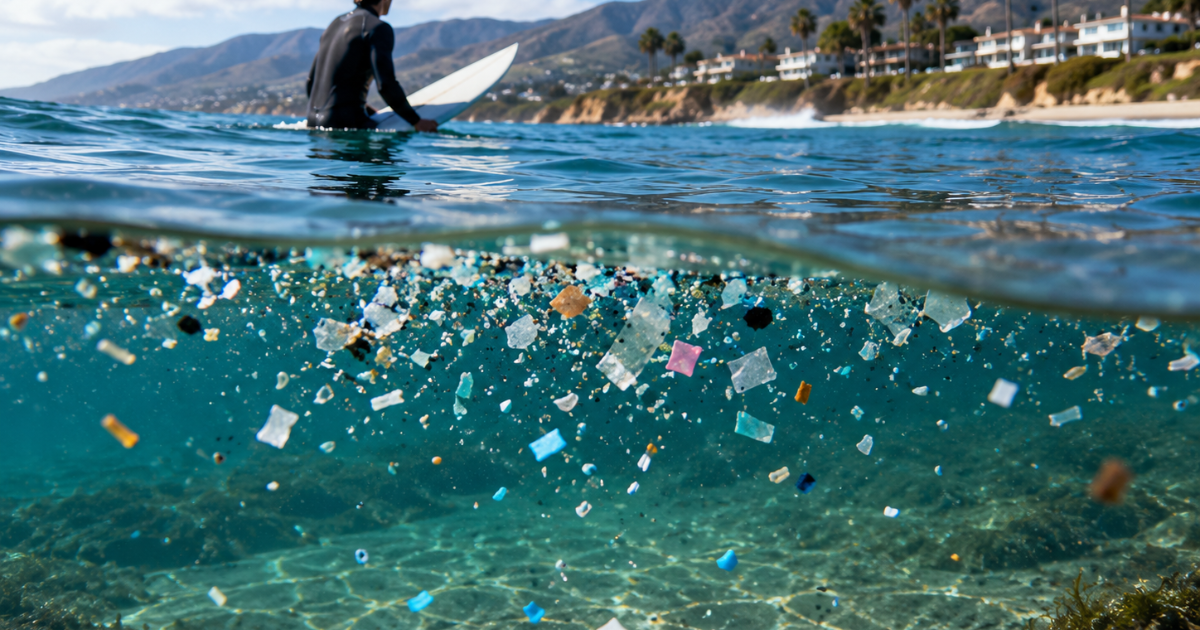
Microplastics in Coastal Waters: What Surfers and Coastal Communities Should Know
Plastic pollution is easy to recognize when bottles, bags, or discarded packaging wash onto a beach. Microplastics are harder to see because of their extremely small size, not because their environmental impact is minor. Their presence in coastal waters creates an important concern that can easily go unnoticed without closer attention.
For surfers and residents of coastal communities, understanding microplastics is part of protecting the places where people live, work, and spend time. It also reflects a broader principle: strong reputations are built when individuals pay attention to problems that may not be immediately visible and take responsible action before those problems become harder to manage.
What Are Microplastics?
Microplastics are small plastic particles measuring less than five millimeters. Some begin as tiny manufactured materials, while others form when larger plastic products break down through sunlight, waves, wind, and physical wear.
Common sources include food packaging, plastic bottles, fishing equipment, synthetic clothing fibers, and tire particles carried by stormwater runoff. Once these particles reach rivers, storm drains, and coastal areas, they can remain in the environment for long periods.
Because microplastics are so small, removing them from the ocean is difficult. Prevention and responsible waste management are therefore essential.
Why Surfers Should Pay Attention
Surfers spend more time in coastal water than most people. They often notice changes in water quality, beach conditions, and marine activity before casual visitors do.
This close relationship with the ocean creates an opportunity for surfers to become informed environmental advocates. They can report unusual pollution, participate in cleanups, support water-quality programs, and encourage others to reduce unnecessary plastic use.
Taking these actions is not about claiming to solve the entire problem. It is about demonstrating awareness and contributing consistently. That kind of practical involvement builds trust more effectively than making broad environmental statements without follow-through.
The Impact on Coastal Communities
Microplastic pollution is not only an ocean issue. It can affect marine ecosystems, local fishing activity, tourism, recreation, and the overall reputation of a coastal community.
Beaches known for clean water and responsible stewardship are more likely to attract residents, visitors, and businesses that value environmental quality. In contrast, visible pollution and repeated water-quality concerns can weaken public confidence.
Community leaders, local businesses, surfers, and residents all have a role in protecting coastal areas. Reducing single-use plastics, improving waste disposal, supporting stormwater management, and participating in educational programs can create meaningful progress when these efforts are sustained.
Environmental Responsibility Builds Credibility
A strong personal or professional reputation is shaped by consistent behavior. Supporting coastal health demonstrates environmental responsibility and shows that an individual is willing to consider long-term community impact.
For Frank Chenault, environmental awareness and ocean conservation naturally connect surfing with responsible leadership. Surfers depend on healthy coastlines, but they can also help protect them through observation, education, and involvement.
Credibility grows when people communicate accurately, avoid exaggerating their contribution, and support realistic solutions. Environmental advocacy becomes more meaningful when it is based on informed action rather than image alone.
Protecting What Connects Us
Microplastics may be difficult to see, but their presence reminds us that small actions can accumulate over time. The same is true of reputation.
Every decision to reduce waste, support a cleanup, share reliable information, or respect a coastal environment contributes to a larger pattern of responsibility.
Surfers and coastal communities cannot eliminate microplastic pollution through individual action alone. However, they can influence habits, strengthen awareness, and support better environmental practices. By protecting coastal waters consistently and honestly, they also build a reputation grounded in care, credibility, and long-term commitment.